Audiobook Growth Contrasts Sharply with Print Decline in 2025
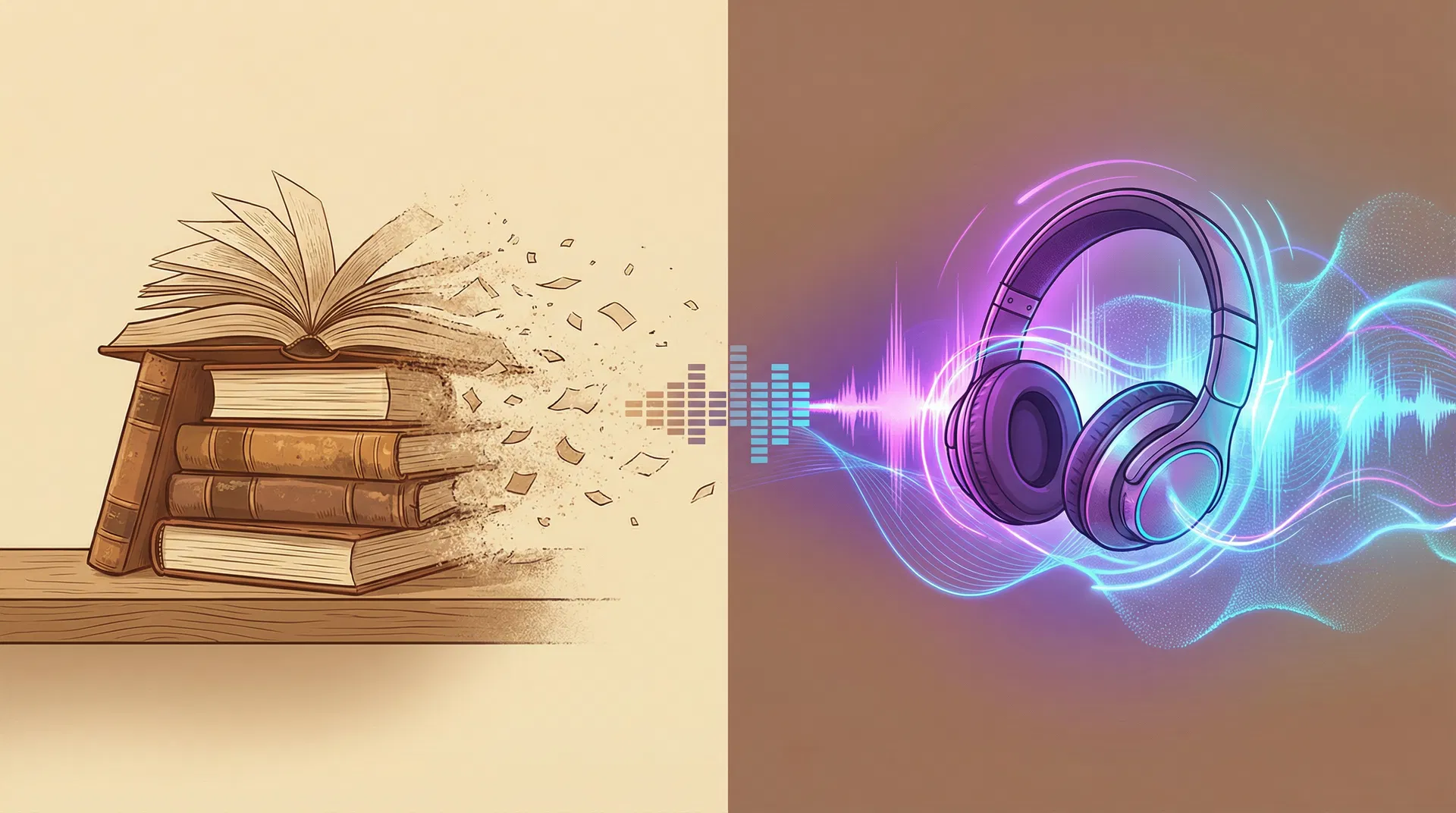
Audiobook sales increased through October 2025, building on a 20% rise in 2024, while print book sales saw a 1% decline.
Analysis
The crossover moment is here: audio versions of bestsellers are now outperforming their print counterparts in several categories. This isn't just a format preference shift — it reflects a fundamental change in how people consume long-form content. The innovation happening in audio production is also noteworthy. Publishers incorporating dramatic elements like actual 911 calls into memoirs are essentially creating a new hybrid medium that sits somewhere between traditional audiobooks and podcasts.
This creative experimentation suggests that the audiobook format itself is evolving beyond simple narration into something more immersive and experiential. The 1% print decline may seem modest, but when contrasted with audio's continued growth trajectory, it signals a structural shift that will only accelerate as AI narration makes audio production faster and cheaper.
What's particularly telling about the print decline is where it's concentrated. Mass-market paperbacks and standard trade fiction are seeing the steepest drops, while illustrated books, special editions, and collectible formats are actually growing. This suggests that print is evolving from a utility format (the cheapest way to read a book) into a premium format (a physical object worth owning for its aesthetic or collectible value). The parallel to vinyl records in the music industry is increasingly apt — print won't disappear, but it will occupy a different market position.
The audio production innovations deserve deeper examination. When publishers add sound effects, multiple voice actors, and cinematic scoring to audiobooks, they're creating a product that competes not just with other books but with podcasts, radio dramas, and even streaming television for consumers' entertainment time. This format evolution could significantly expand the total addressable market for book content by attracting consumers who don't identify as "readers" but are voracious audio consumers.
The economic implications for authors are mixed. Audio growth creates new revenue streams, but the shift from per-unit purchases to subscription listening changes the royalty math significantly. An audiobook "listen" on a subscription platform generates a fraction of the revenue of a direct purchase, even as total listening hours increase. Authors and their agents will need to develop more sophisticated approaches to audio rights negotiation as the format's economics continue to evolve.