EU Parliament Adopts Resolution on Generative AI Copyright — Proposes 5–7% Flat-Rate Fee on AI Turnover
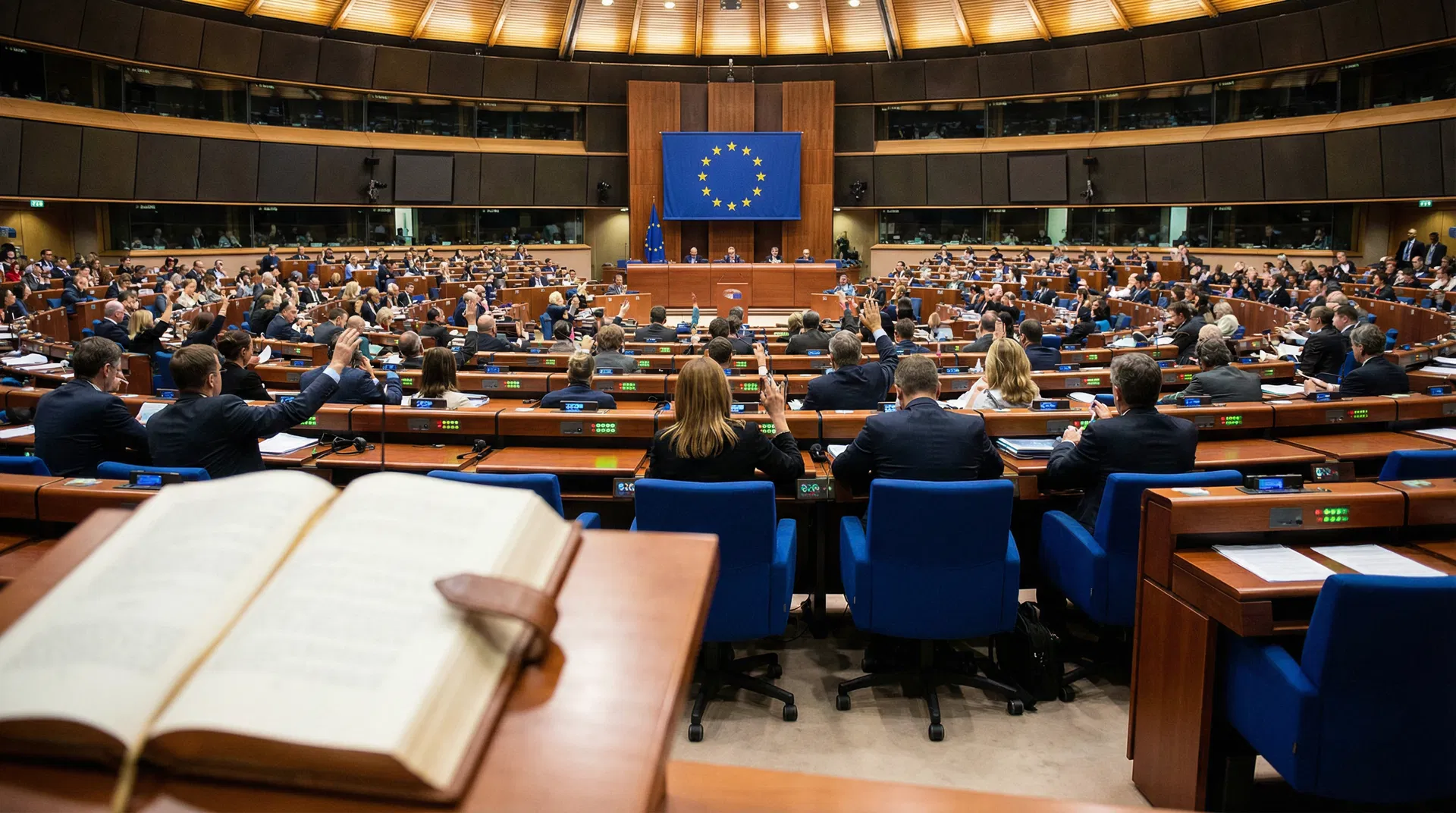
The European Parliament adopted a resolution on 'Copyright and generative artificial intelligence' by 460 votes to 71, with 88 abstentions. The resolution, led by Rapporteur Axel Voss, calls for a retroactive copyright global licence fee of 5–7% of AI developers' global turnover for past unauthorised uses of copyrighted works — estimated to generate approximately €420 million for creators. It mandates title-specific transparency obligations for AI training content, proposes a voluntary collective licensing framework managed through a EUIPO-administered 'licensing hub,' and asserts that EU copyright law applies to all AI systems available on the EU market regardless of where training data was processed.
Analysis
The European Parliament's resolution on generative AI and copyright is the most ambitious legislative proposal in the global AI copyright debate — and the most structurally coherent, because it addresses the three problems simultaneously that other jurisdictions have been treating separately.
The first problem is retroactivity. Every AI model currently in commercial deployment was trained on data that was acquired before any licensing framework existed. The resolution's proposed 5–7% retroactive fee on global turnover acknowledges this directly: it is not a forward-looking licensing arrangement, but a settlement mechanism for past use. The European Writers Council's estimate of €420 million in compensation is based on applying this rate to the major AI developers' reported revenues, and while the actual figure would depend on how "global turnover" is defined and apportioned, it represents a meaningful sum compared to the per-work payments emerging from US litigation.
The second problem is transparency. Without knowing which works were used to train which models, rights holders cannot assert their claims, negotiate licences, or even determine whether they are owed compensation. The resolution's title-specific transparency obligations — requiring AI developers to disclose the specific works used in training — are a prerequisite for any licensing framework to function. This is the provision that AI companies will resist most strenuously, because it requires them to expose the composition of their training datasets in ways that could create liability in multiple jurisdictions simultaneously.
The third problem is territoriality. The resolution's assertion that EU copyright law applies to all AI systems available on the EU market, regardless of where training data was processed, directly addresses the regulatory arbitrage that has allowed US-based AI companies to train on European works while arguing that US fair use law governs their liability. This is a significant jurisdictional claim, and its enforceability will depend on whether EU courts and the CJEU are willing to apply it against non-EU defendants — a question that the Desch-Drexler case, currently before the CJEU, will begin to answer.