Grammarly Sued for AI Tool That Impersonated Authors Without Consent
Journalist Julia Angwin has filed a class action lawsuit against Superhuman (Grammarly's parent company) alleging that the 'Expert Review' tool edited users' writing in the style of notable authors without consent, raising critical questions about AI training and author rights.
Analysis
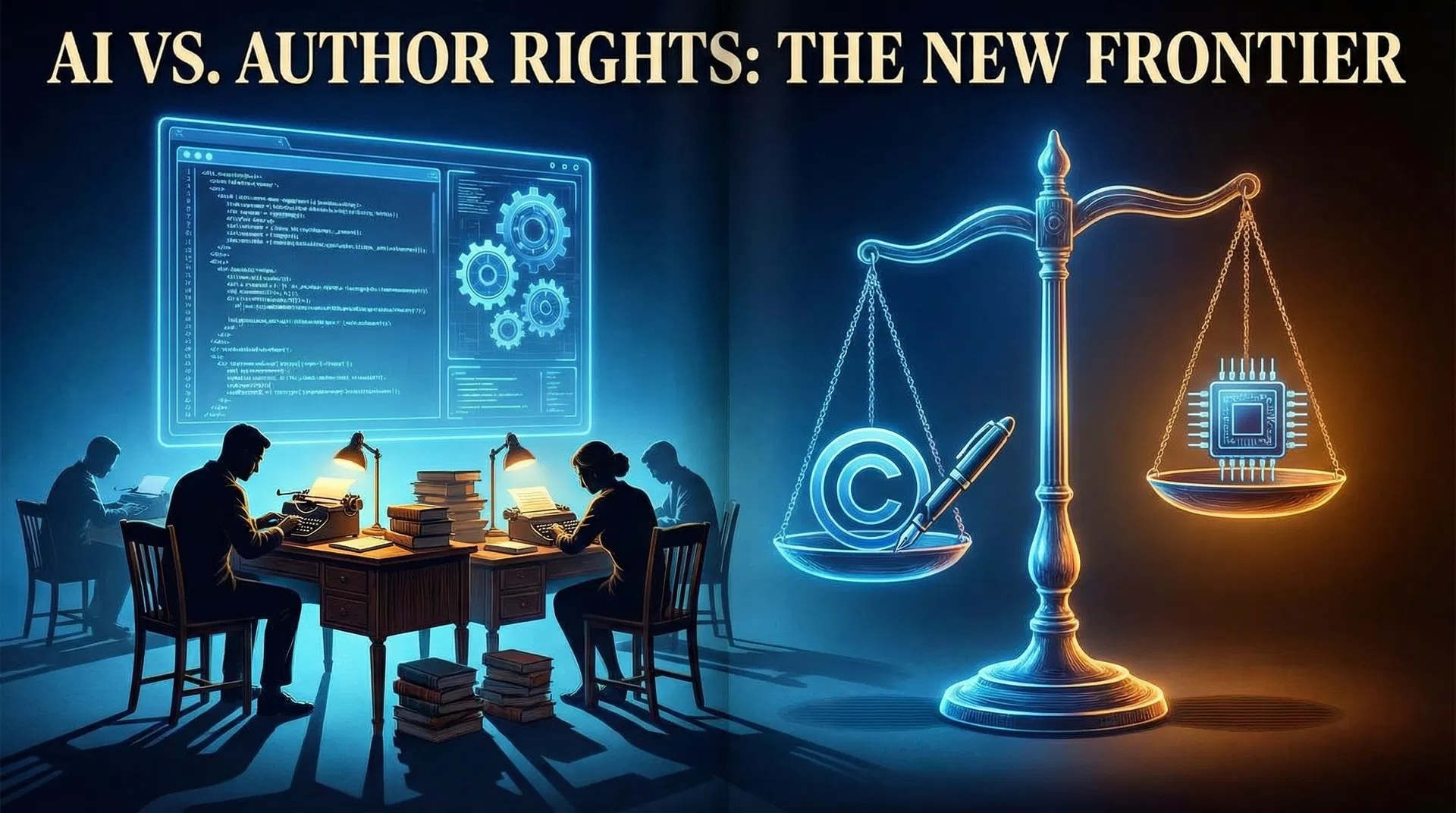
Julia Angwin's lawsuit against Superhuman over Grammarly's 'Expert Review' tool marks a turning point in the AI-publishing conflict. The tool promised to edit users' work in the style of famous authors—a feature that sounds clever until you realize it's essentially cloning author voice without permission or compensation. This is the logical endpoint of an industry that has spent two years arguing about whether training AI on published text constitutes fair use.
What makes this lawsuit significant is not just the legal theory, but the plaintiff. Angwin is a journalist and researcher who understands both technology and media ethics. She's not suing because she's anti-AI; she's suing because the tool crossed a line that should have been obvious: using identifiable author voices as a product feature without consent is not a gray area. It's appropriation.
For publishers and authors, this case signals that the courts may finally be ready to impose real consequences for AI misuse. The Authors Guild's expanded 'Human Authored' certification program (announced this week) and this lawsuit are part of a broader movement toward author agency and consent. The AI vendors who have been moving fast and breaking things are now facing a reckoning. The question is whether the industry will regulate itself or wait for courts to do it for them.