Patreon CEO Jack Conte Calls AI Companies' Fair Use Defence 'Bogus' at SXSW
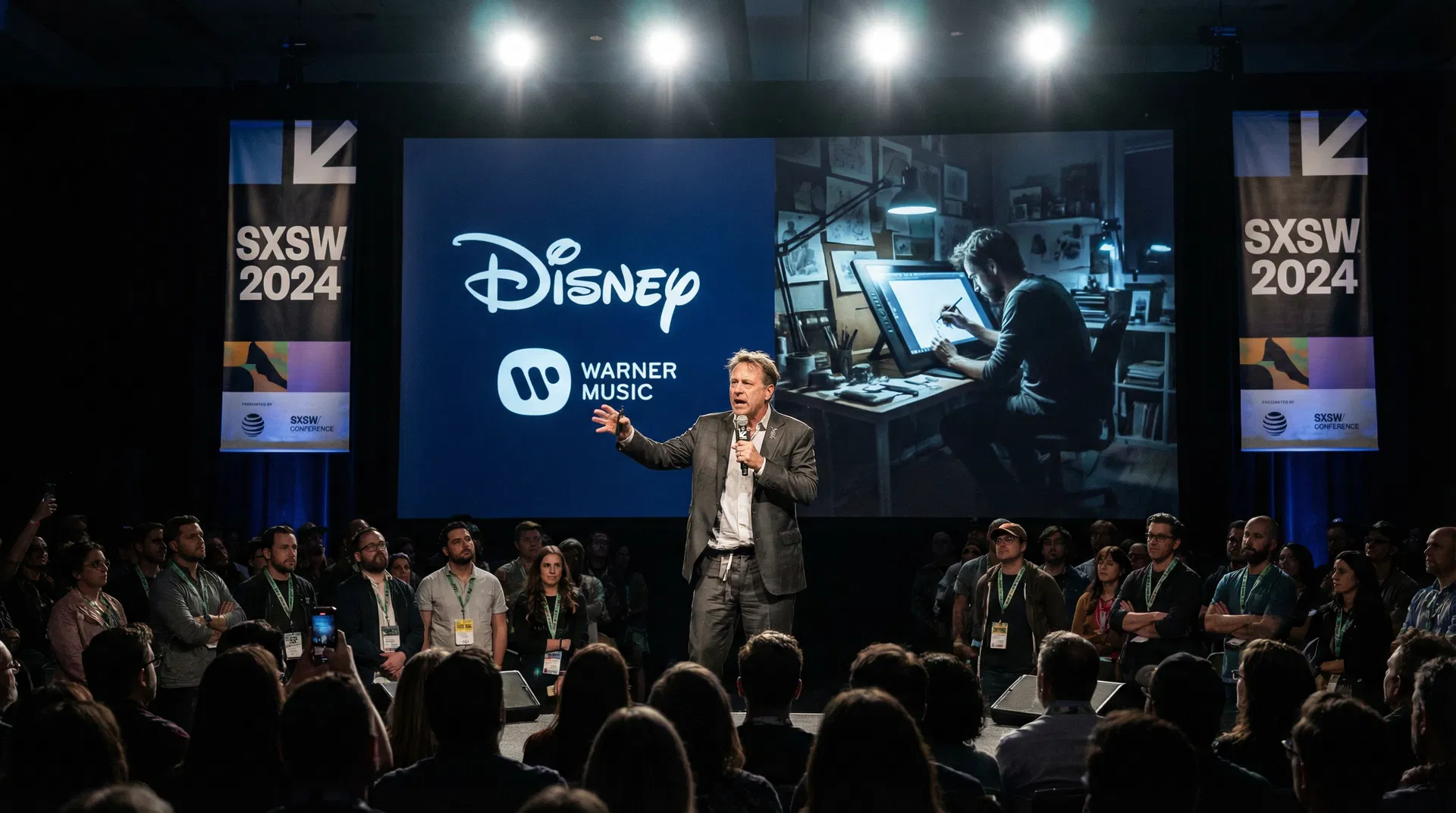
Patreon CEO Jack Conte, speaking at SXSW, attacked AI companies for claiming fair use while simultaneously signing multimillion-dollar licensing deals with Disney, Condé Nast, Vox Media, and Warner Music. 'The AI companies are claiming fair use, but this argument is bogus,' Conte said. 'If it's legal to just use it, why pay?' He argued that the selective application of licensing — to large rights holders but not individual creators — reveals a double standard that the fair use doctrine cannot legitimately sustain.
Analysis
Jack Conte's SXSW remarks cut to the heart of the AI copyright contradiction with an elegance that legal filings rarely achieve. The argument is simple and devastating: if training on copyrighted content is genuinely fair use — a transformative act that requires no permission and no payment — then why have OpenAI, Anthropic, and their peers spent hundreds of millions of dollars acquiring licences from Disney, Condé Nast, Vox, and Warner Music? The answer, of course, is that those deals were not purchased out of legal obligation but out of commercial necessity: to avoid litigation from entities with the resources to pursue it. Individual creators — the illustrators, musicians, and writers whose aggregate output constitutes the vast majority of the internet's creative substrate — lack that leverage. Conte's framing reframes the fair use debate from a question of legal doctrine to one of market power. The Anthropic settlement ruling, which found that training on pirated books did not qualify as fair use while training on purchased books did, suggests the courts are beginning to draw distinctions that the industry will need to navigate carefully. But the deeper issue Conte raises — that the licensing market is being shaped by who can afford to sue, not by any principled reading of copyright law — is one that neither the courts nor the legislature has yet addressed. Until they do, the creative economy's smallest participants will continue to subsidise the AI industry's largest beneficiaries.