Hachette Cancels Shy Girl — Publishing's First Big Five AI Scandal
Hachette has pulled Mia Ballard's horror novel Shy Girl from shelves and cancelled its US release after AI detection software Pangram concluded 78% of the book's content was AI-generated. The author denied using AI herself.
Analysis
The publishing industry has been bracing for its first confirmed Big Five AI scandal. On March 20, it arrived.
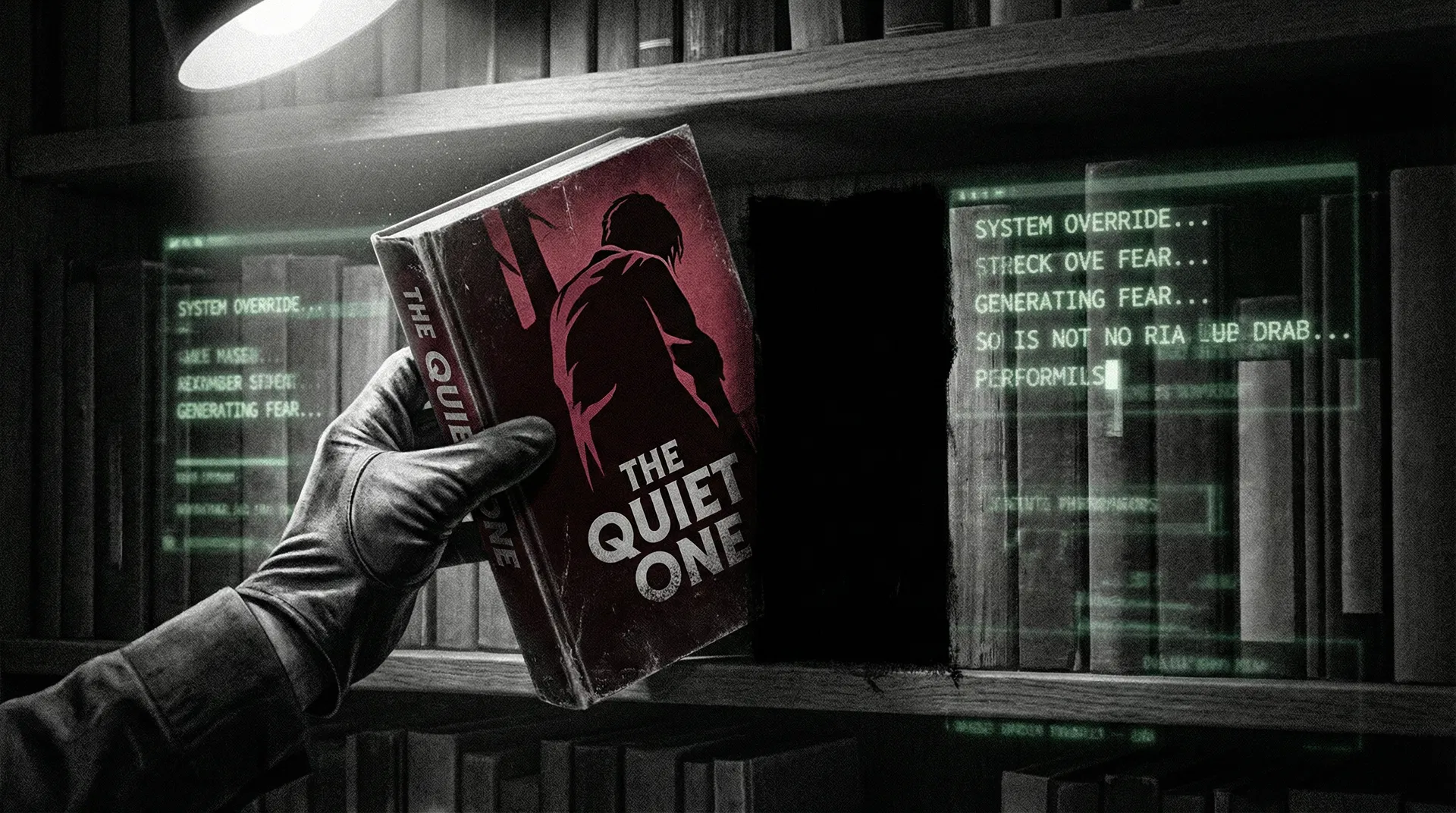
Hachette has pulled Mia Ballard's horror novel Shy Girl from UK shelves and cancelled its planned US release after AI detection company Pangram concluded that 78 percent of the book's content was AI-generated. The novel had been self-published in 2025, become a hit on Goodreads, and attracted Hachette's attention on the strength of its reader reviews. Social media suspicions, triggered by what readers described as "strange metaphors and repetitive phrasing," led Max Spero of Pangram to run the text through his company's detection software. His conclusion: "I'm very confident that this is largely AI generated, or very heavily AI assisted."
Ballard denied using AI herself. Her statement to the New York Times introduced a new and unsettling dimension to the case: "All I'm going to say is please do your research on editors before trusting them with your work." The implication — that an editor may have used AI without the author's knowledge or consent — has not been confirmed, but it points to a vulnerability in the publishing supply chain that no contract currently addresses. If an editor, developmental collaborator, or ghostwriter uses AI to substantially rewrite a manuscript, who bears responsibility? Who owns the copyright? Who is liable to the publisher?
Hachette's response — swift cancellation, a single-sentence statement affirming its "commitment to protecting original creative expression" — sets a precedent of sorts, but it also reveals how unprepared the industry remains. There are no standardised AI detection protocols, no contractual warranties covering AI-assisted editing, and no agreed threshold for what constitutes "AI-generated" content. Pangram's 78 percent figure is damning, but AI detection tools are notoriously unreliable at the margins. The Shy Girl case will not be the last of its kind. The question is whether publishers will use it to build the frameworks they need before the next one arrives.