Merriam-Webster and Encyclopedia Britannica Sue OpenAI for Copyright and Trademark Infringement
Encyclopedia Britannica and its parent company, which owns Merriam-Webster, have filed a landmark lawsuit against OpenAI, alleging both copyright infringement and trademark violations — including the novel claim that ChatGPT fabricates content and falsely attributes it to Britannica.
Analysis
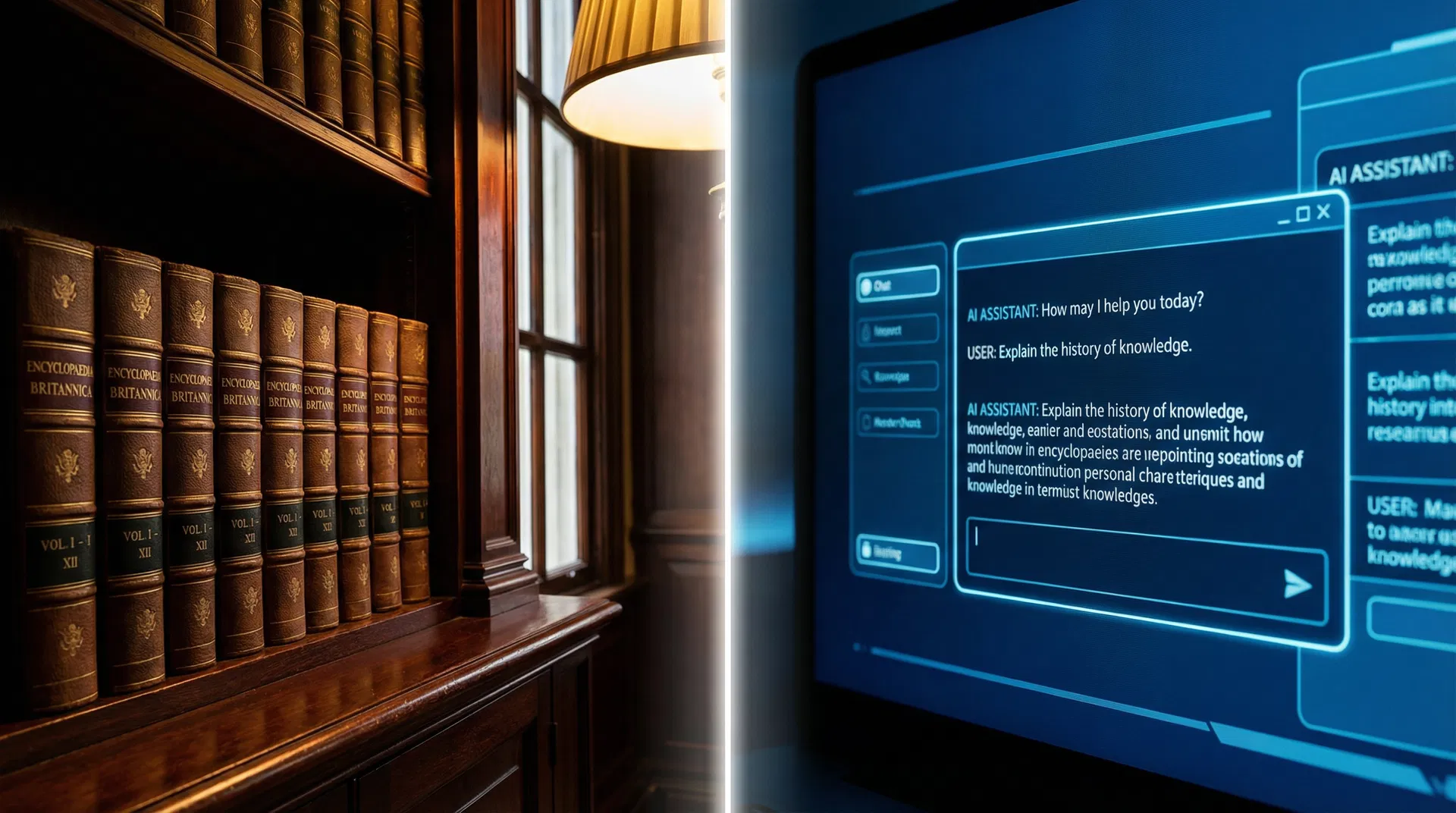
The lawsuit filed by Encyclopedia Britannica and Merriam-Webster against OpenAI on March 16 marks a significant escalation in the ongoing legal reckoning between legacy knowledge institutions and AI developers. Unlike earlier cases that focused primarily on training data, this complaint adds a second, arguably more damaging charge: trademark infringement through hallucination. Britannica alleges that ChatGPT not only reproduced its copyrighted articles verbatim during training but also generates fabricated content — 'hallucinations' — and falsely attributes those inventions to the Britannica brand. This is a materially different legal theory from the copyright claims pursued by The New York Times or the Authors Guild. It frames AI not merely as a thief of content but as an active forger of institutional credibility.
The reputational dimension of this claim deserves particular attention from publishers. Britannica has spent 258 years building a reputation for accuracy and editorial rigour. If ChatGPT can cite 'Britannica' as the source of a fabricated fact, the damage is not just to Britannica's traffic — it is to the epistemic trust that underpins reference publishing as a category. The same logic applies to any publisher whose brand is synonymous with accuracy: medical publishers, legal reference houses, educational imprints. The lawsuit does not specify monetary damages but seeks an injunction, which, if granted, could force OpenAI to implement attribution filtering or content suppression at scale.
This is also the second major AI lawsuit from Britannica in six months, following its September 2025 action against Perplexity for similar reasons. The pattern suggests a deliberate legal strategy rather than reactive litigation. OpenAI's response — that 'ChatGPT helps enhance human creativity' and is 'grounded in fair use' — is the same boilerplate the company has deployed in every copyright dispute. Courts have yet to rule definitively on fair use in the AI training context, and the trademark hallucination theory is largely untested. The outcome of this case could reshape how AI companies are required to handle attribution across all reference content.