2026 Women's Prize for Non-Fiction Shortlist: Six Titles, and the Data Behind the Gender Gap
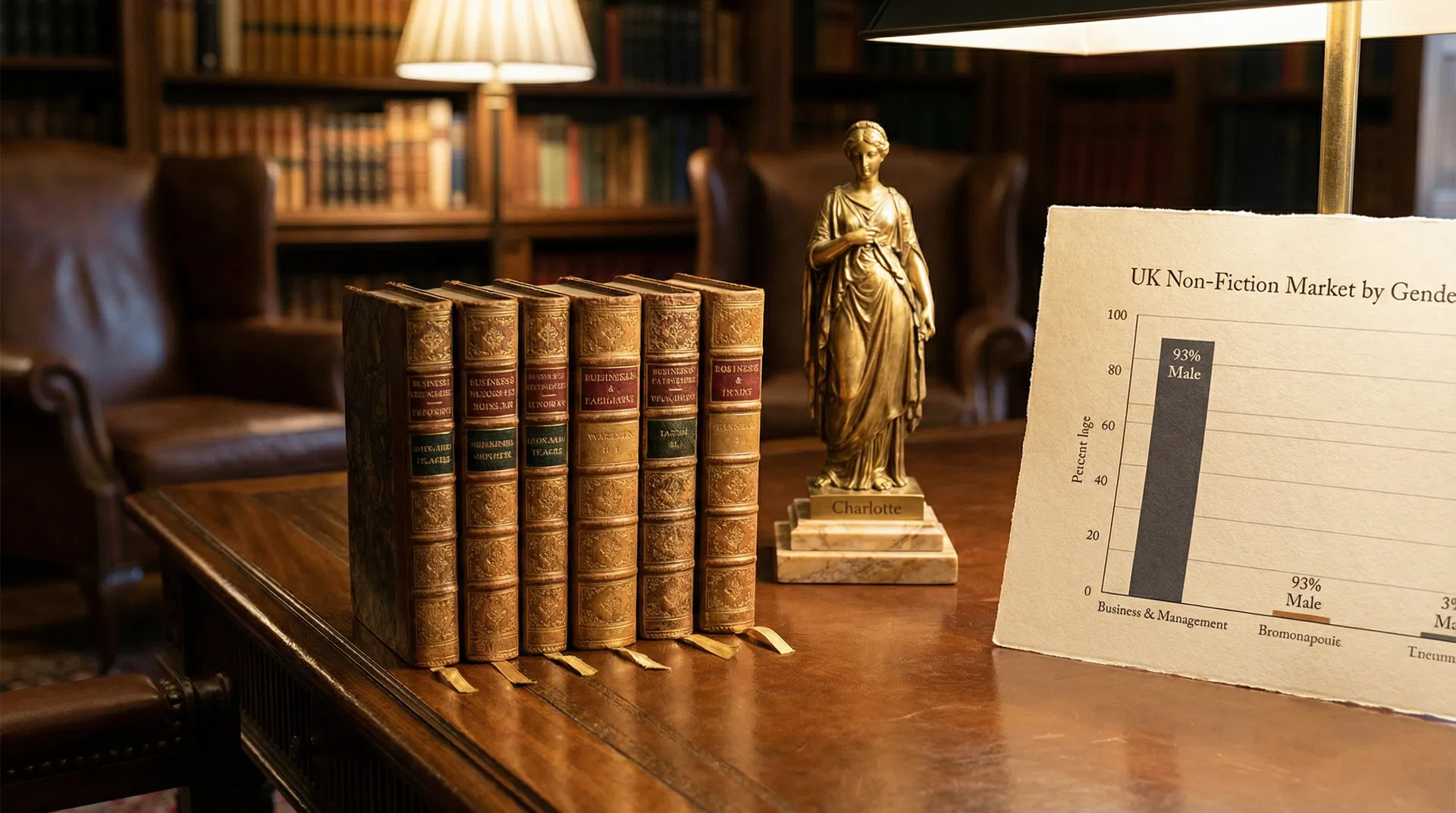
The 2026 Women's Prize for Non-Fiction has announced its shortlist of six titles, including works by Arundhati Roy and Lyse Doucet. The winner will be announced on June 11, receiving a £30,000 prize. The announcement is accompanied by commissioned data revealing that male writers dominate 93% of the Business & Management non-fiction category in the UK print market, with similar dominance in Sport (90%) and Politics & Current Affairs (82%). Women's market share in Popular Science rose to 22% in 2025, up from 11% in 2023.
Analysis
The Women's Prize for Non-Fiction is only in its third year, but it has already established itself as the most data-driven literary prize in the UK. The 2026 shortlist announcement is accompanied by commissioned research that quantifies the gender gap in non-fiction publishing with a precision that makes the problem impossible to dismiss as anecdotal.
The headline figure — 93% male dominance in Business & Management non-fiction — is striking but not surprising to anyone who has browsed the business section of a major bookshop. What is more analytically interesting is the variation across categories. Sport at 90% and Politics at 82% reflect long-standing cultural assumptions about who has authority to write on those subjects. Popular Science at 78% male is lower than might be expected, and the trajectory — women's share rising from 11% to 22% between 2023 and 2025 — suggests that the category is in active transition, possibly driven by the success of authors like Mary Roach, Hope Jahren, and Sabine Hossenfelder in demonstrating commercial viability.
The consumer behaviour data is the most strategically significant finding for publishers. Women are three times more likely to purchase books by female authors (75% vs. 25%). In a market where acquisition decisions are increasingly data-driven, this figure should be a commercial argument, not just an equity argument, for investing in female non-fiction authors in categories where they are currently underrepresented. A publisher that builds a strong list of female voices in Business & Management is not just doing the right thing — it is addressing an underserved market segment with demonstrated purchasing intent.
The shortlist itself reflects the prize's commitment to breadth. Arundhati Roy's presence signals that the prize is willing to engage with politically charged non-fiction; Lyse Doucet's inclusion brings international journalism and conflict reporting into the frame. The winner announcement on June 11 will be watched closely not just for the title it honours, but for the signal it sends about which kind of non-fiction the prize considers most urgent in 2026.